

by David Akanji
Welcome to AULT, the arts and culture column of The Poor Print, written by David Akanji (me). AULT exists to refocus some of our minds, re-engaging ourselves with art and cultural understandings. I’ll be focusing on current opinions/events/issues in the art world, but more importantly how we as students, citizens, and humans fit into it. If there are any topics or events you want covered, reach out to me at david.akanji [at] oriel.ox.ac.uk
‘Limitless’ – Joshua Akinwumi at London Gallery West
The time of the year has come again when we are made to think more carefully about the appreciation and recognition we give people. While I don’t think it should require a month surrounding black history for us to become intentional about our academic and creative consumption, I shall continue to use the opportunity to bring amazing creatives to our fingertips.
Joshua Akinwumi’s solo exhibition took cultural exploration and brought it forward in a vibrant, contemporary way. His work, featured at London Gallery West in the Harrow Campus of the University of Westminster, was said to have been curated to ‘transcend boundaries’, with intentions to ‘inspire and uplift viewers with the powerful message that there is no limit they cannot break through’. Akinwumi’s work acts as a tribute to the black community and uses elements of heritage, identity and social commentary. Being a Nigerian and Yoruba man, his work often has motifs of traditional Yoruba spirituality delving into the intricate tapestry that is human existence. He founded the Motayo Gallery, through which he created a platform that celebrates the breadth and range of African art. Something that is missing from many major galleries and showrooms today, Motayo does excellently: the fostering of dialogue. Only through dialogue and communication between those who create and those who view, can a hub of creativity be created – something necessary for nurturing emerging artists.
Akinwumi works with a multimedia approach, which on a material level already evaluates the border between traditional and contemporary art. He mainly uses photography, seen in works like ‘AURORA’, but he also tries to use technology to flesh out further expression. Many of his photographs are dream-like, surreal and seraphic, capturing raw emotion, and calling into reflection of self and society. Much of his social commentary came from first-hand experiences of being part of the almost biblical exodus that many young people went through going out of Nigeria in the 2020s. The rising tension between the police, government and young people reached a peak with the #EndSARS protest. This brought Nigeria into the limelight with the police’s abhorrent violations of human rights, torturing and killing peaceful protestors. These violations were met with no repercussions from the justice system, with many young people being denied lawyers and judges, and legal officials being bribed by government officials. Freeing himself from the oppression in Nigeria, he came to the UK and created the project ‘Ibeji’ (Yoruba for ‘double birth’), generating images of twins spanning different ages. Twins and the ‘inseparable two’ is a mystical and spiritual thing in Yoruba culture. While the rate of twins is four times higher in West Africa than the rest of the world, in Yoruba culture it is the height of harmony that two people can achieve. The celebration of twins runs deep into the worship of the ‘spirit of twins’, venerating those that visually and spiritually display symmetry.
Akinwumi’s work was curated in London West Gallery for Black History Month, peeling back layers of the self to embrace the ‘universal thread that connects us all’. He wants you to have an ‘amplified belief in [your] ability to manifest [your] dreams and aspirations’. With that, we should look to embrace the spiritual aspect in our lives; this does not have to come from a religious lens. Spirituality is something central to everyone, so take some time, meditate, ruminate and reflect. What are your dreams, aspirations, goals? Because in a world built on boundaries, these are the only things that are truly limitless.
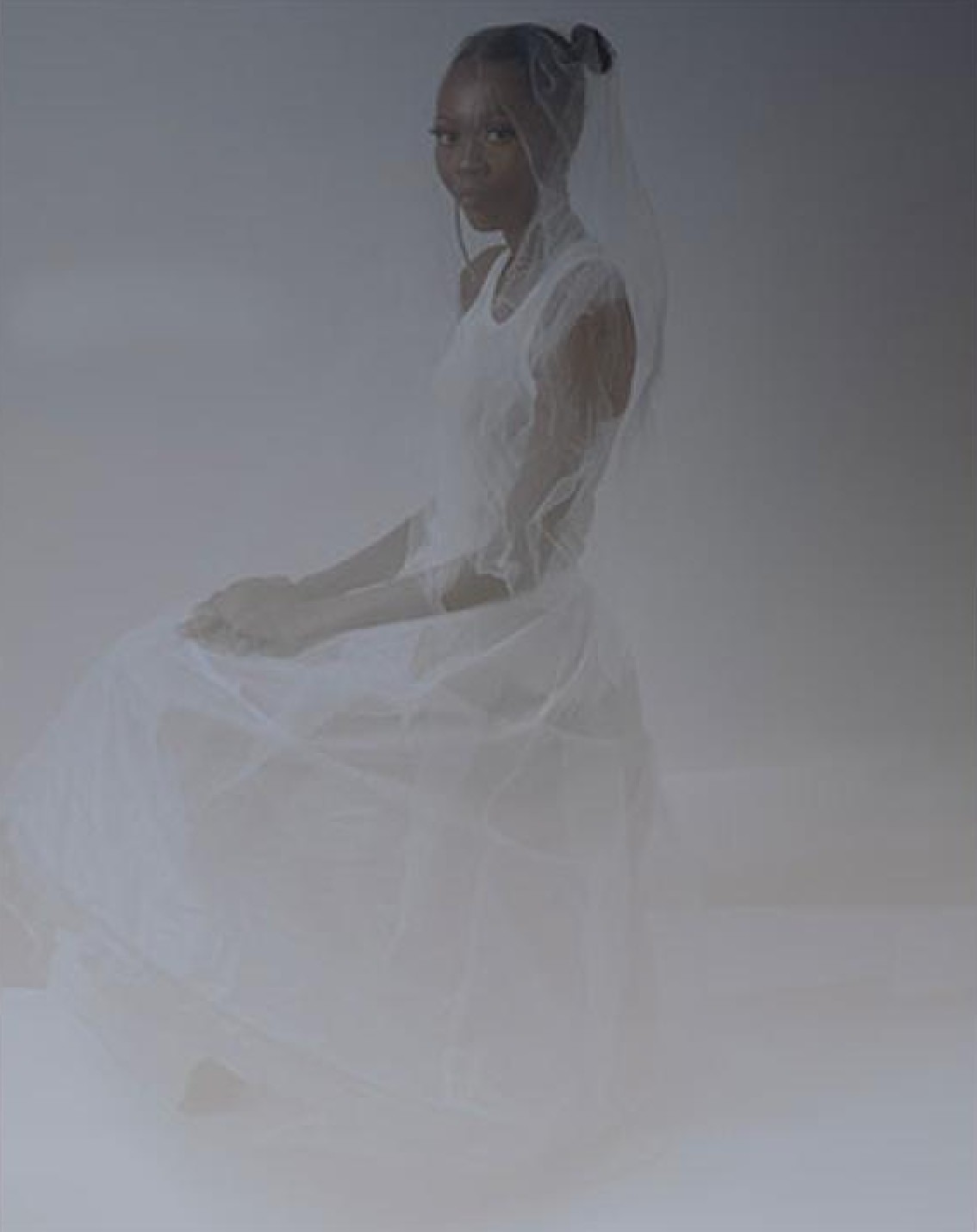
‘Limitless’ ran from Monday 2 October to Saturday 14 October at London Gallery West, University of Westminster.

 The Poor Print